
ethnic rhinoplasty
Ethnic Rhinoplasty
Rhinoplasty tailored to the specific features of patients with Mediterranean, Eastern European, Asian or African ethnic profiles.

Duration
3-5 hours
Anesthesia
General anesthesia
Result
Stable shape at 12-18 months; permanent result
Overview
Ethnic rhinoplasty respects the bone, cartilage and skin characteristics specific to each ethnic group. The goal is not to standardize features but to harmonize the nasal profile with the rest of the face while preserving cultural identity.
The techniques differ from standard rhinoplasty: thicker skin, softer cartilage or specific bone structure require individualized planning and frequently augmentation with autologous cartilage (from the septum, ear or rib) for stable results.
Who it is for
- Patients with a specific ethnic profile who want to refine the nose without losing their identity
- People with a flat nose, round tip or low radix
- Patients with thick skin who need specialized techniques
- Realistic expectations about results tailored to their features
Procedure overview
- Detailed facial analysis with standardized photographs
- General anesthesia
- Autologous cartilage harvest (septum, ear or rib) when needed
- Augmentation and structural shaping with cartilage grafts
- Internal sutures and external splint for 7 days
Recovery and aftercare
- Nasal splint for 7 days
- More persistent edema than standard rhinoplasty (up to 12-18 months for final result)
- Specific massage as instructed
- Strict sun protection for the first 6 months
- Follow-ups at 1 week, 1 month, 3 months, 6 months and 1 year
Frequently asked questions
What sets ethnic rhinoplasty apart from standard rhinoplasty?
Ethnic rhinoplasty adapts technique to thicker skin, softer cartilage and specific bone structure. Augmentation with autologous cartilage is often needed for stable definition and projection.
Will I lose my cultural identity after surgery?
No. The goal is facial harmony, not standardization. The plan respects the natural proportions of the face and the patient's ethnic features.
Why use rib cartilage?
When septal cartilage is insufficient or thicker skin requires stronger structural support, costal cartilage provides robust grafts for lasting augmentation.
How long does recovery take?
Return to sedentary activity in 10-14 days. Residual edema can persist longer than classic rhinoplasty, and the final result is seen at 12-18 months.
Relevant results
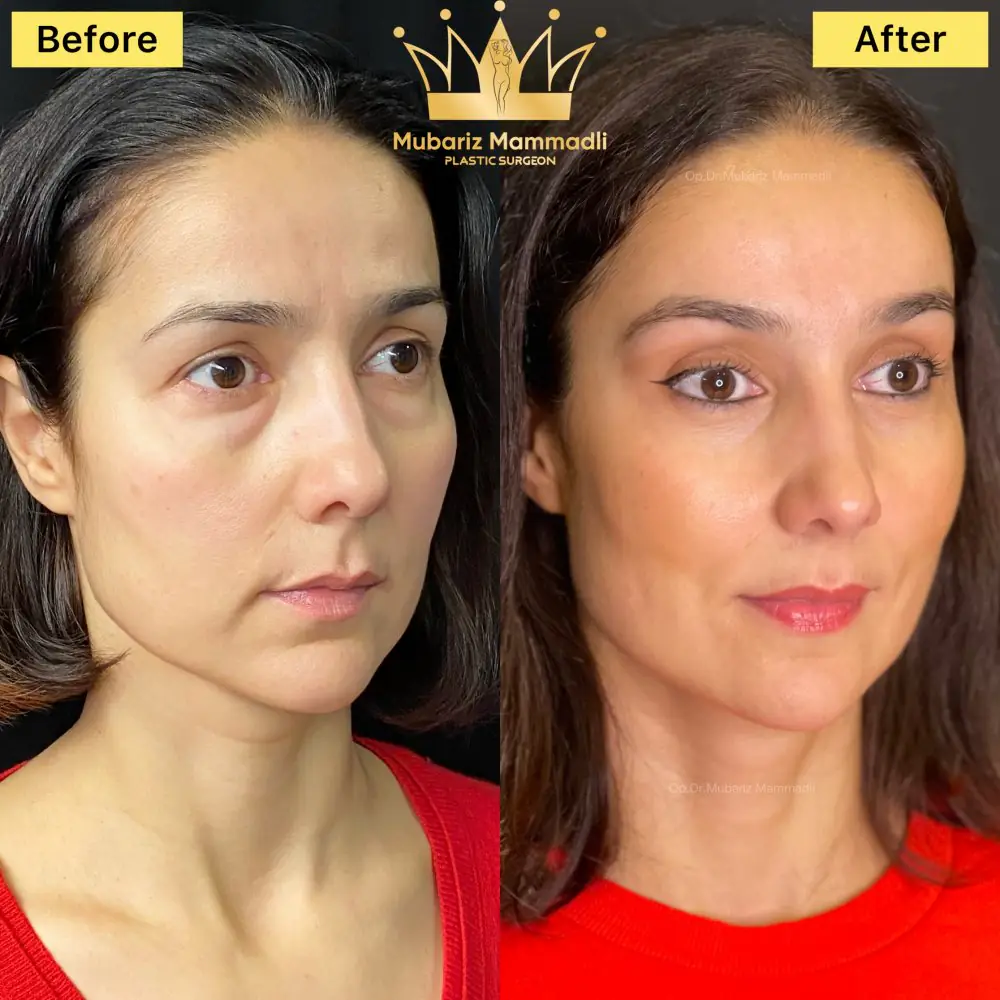
Facial harmony
Combined before and after image for discreet facial harmonization.
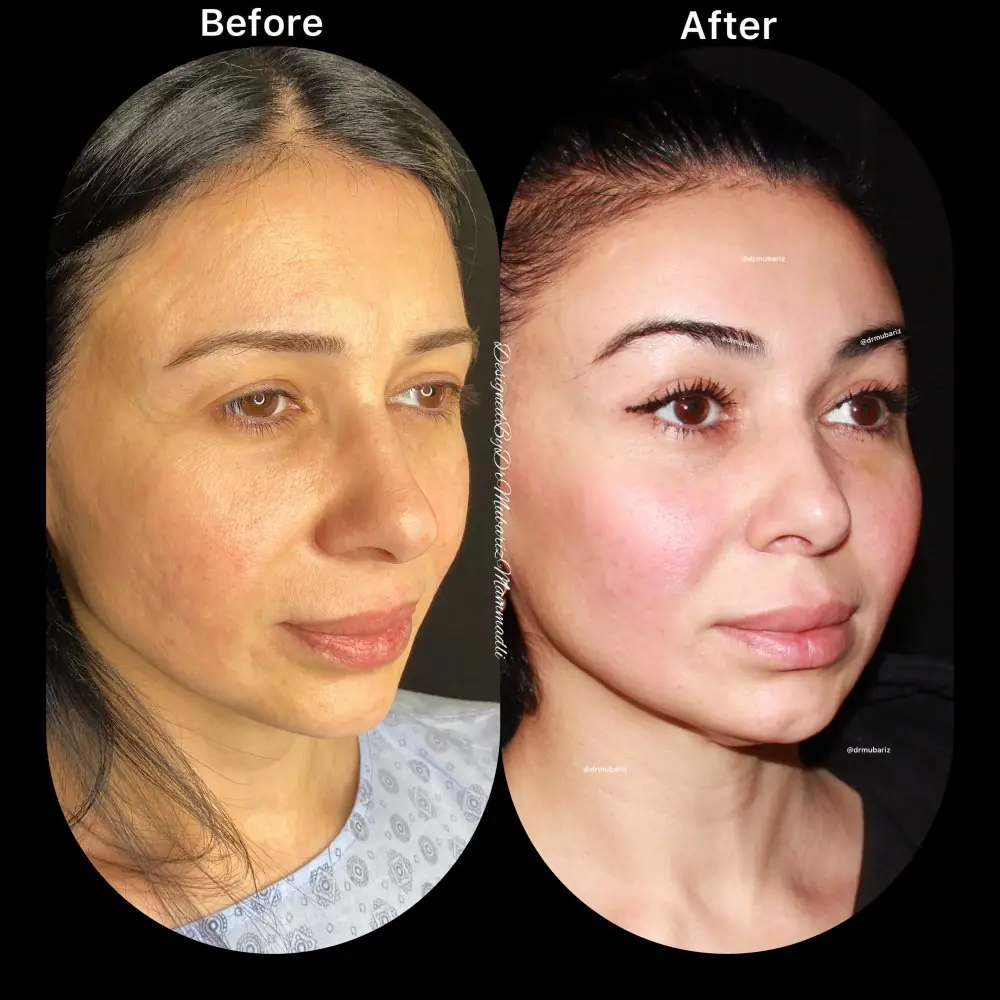
Balanced profile
Combined before and after image for profile refinement.
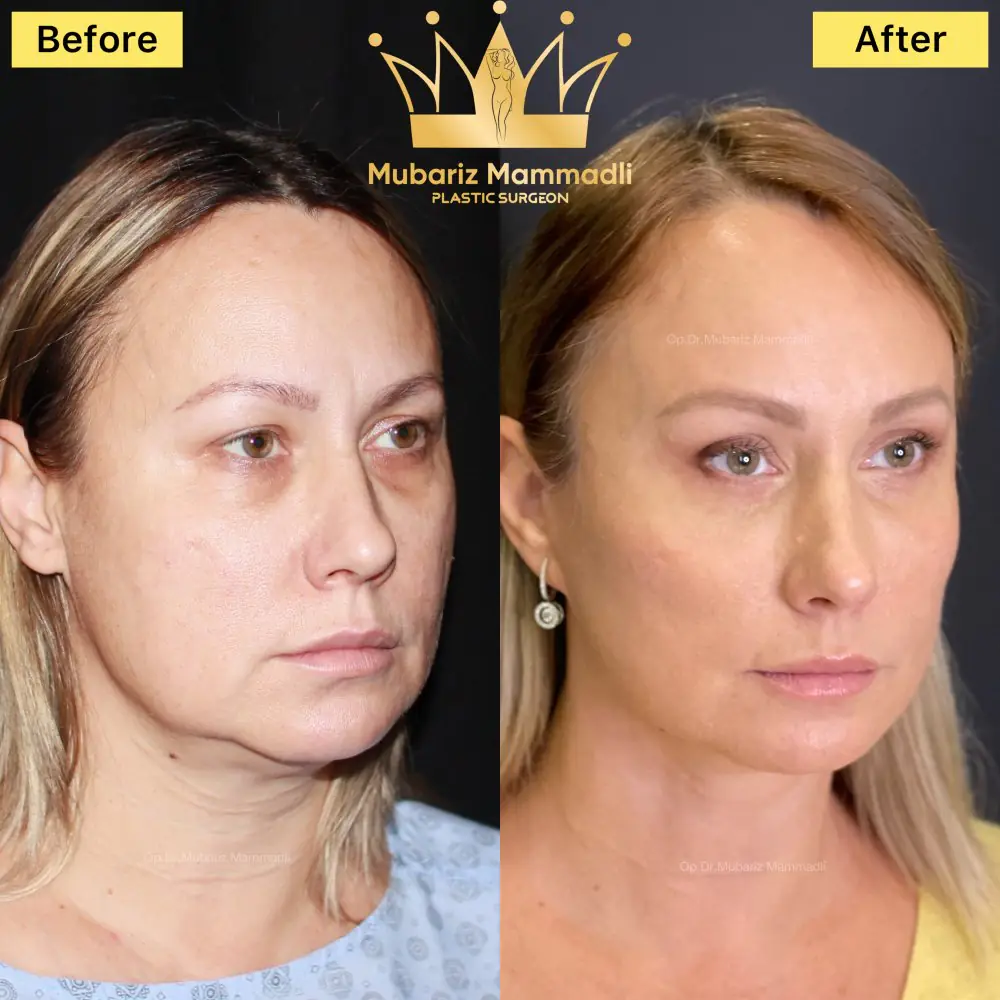
Natural contour
Combined before and after image for more balanced proportions.
Individual results may vary. Images are shared with patient consent.
Need a personalized recommendation?
Send a consultation request and receive the right next steps for your case.