
The Medical Reason Behind Michael Jackson’s Change in Skin Colour
Michael Jackson’s skin color change was mainly connected to vitiligo, a medical condition that causes loss of skin pigment. His transformation should be understood through medicine, camouflage makeup, possible depigmentation treatment, and media pressure — not only through rumors.

The Medical Reason Behind Michael Jackson’s Change in Skin Colour
Michael Jackson’s skin colour changes were one of the most talked-about topics in the history of pop culture. For a long time he was thought to have deliberately changed his skin but the medical explanation is more complex and should be talked about with respect.
In 1993, Michael Jackson offered an explanation that he had vitiligo, a skin disease that destroys skin pigmentation and results in irregular white patches. Reports in the medial press following his death also confirmed a history of vitiligo, with reports noting areas of light and dark pigmentation on his skin. (UMass Chan Medical School)
Vitiligo is an autoimmune-related condition that results in a slow loss of pigment from the skin. In advanced cases the contrast between light and dark areas can be very apparent. This can place an emotional burden on public figures, especially when they are under bright lights, cameras and constant media scrutiny.
Michael Jackson supposedly used makeup and medical creams used to treat vitiligo in an effort to even out his skin tone. That’s not to say the story was just “skin bleaching for beauty.” In many cases of vitiligo, large areas of skin have already lost pigment and the goal of depigmentation therapy is to reduce the contrast and create a more uniform appearance. (University of Massachusetts Medical School)
His case became significant because it brought global attention to vitiligo, a condition that many people didn’t understand at the time. It also highlighted the peril of public judgement when medical conditions are handled as rumours.
Michael Jackson's change in skin colour should be seen from a medical and aesthetic point of view as a combination of vitiligo, cosmetic camouflage, possible depigmentation treatment, and media pressure – not just a desire for a change in identity.
Want a tailored opinion? Schedule a discreet consultation with Dr. Mubariz Mammadli.
Related reading
Aesthetic medicine blog
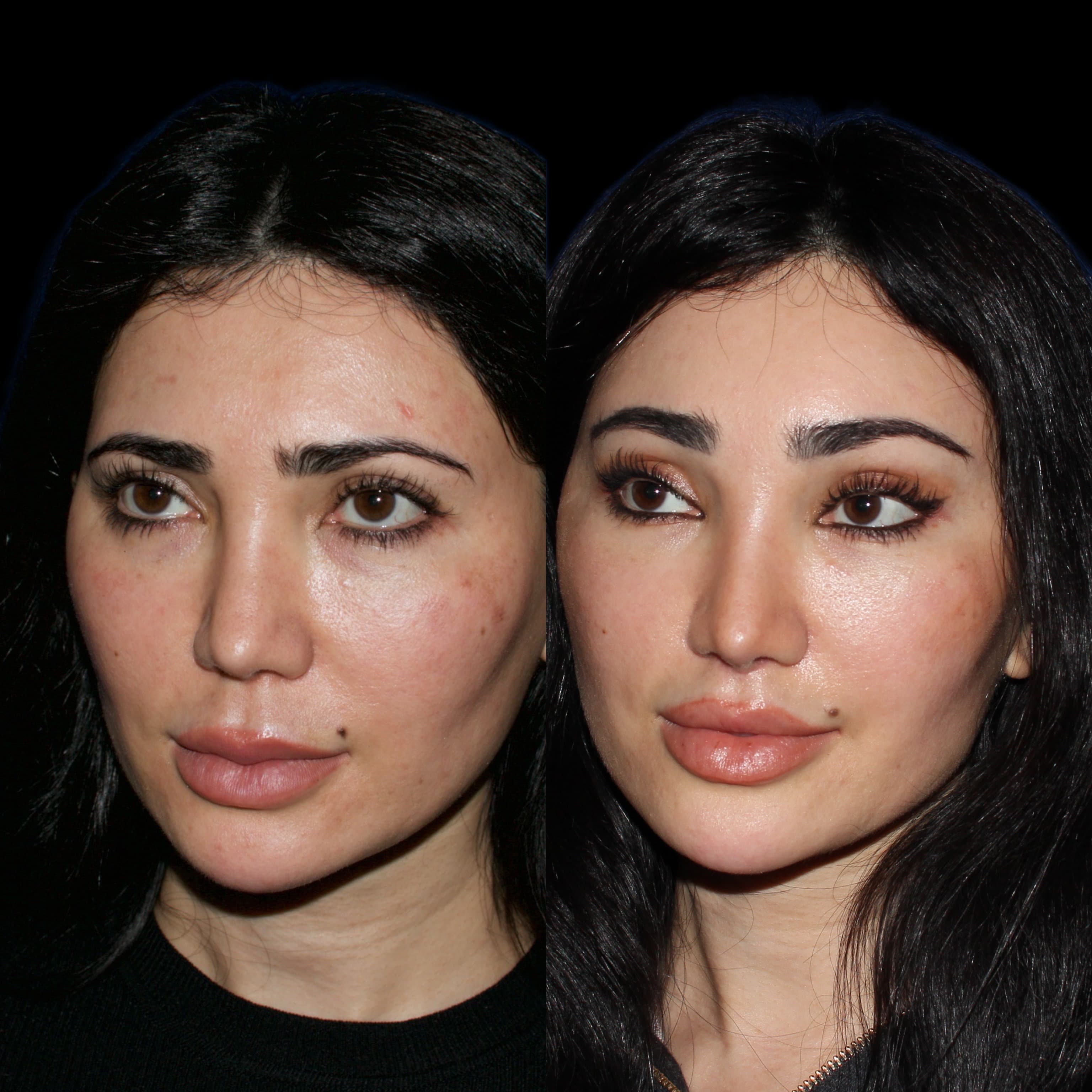
Education
Endoscopic Brow Lift – A Modern Technique, Natural-Looking Results
Endoscopic brow lift — minimally invasive surgery with no visible scars, fast recovery, and natural long-lasting results. Book your consultation today.

Education
How to Select a Good Plastic Surgeon
Choosing a good plastic surgeon means choosing safety, experience, trust, and natural results. A qualified surgeon explains realistic expectations, risks, recovery, and creates a personalized plan based on the patient’s anatomy, not trends or exaggerated beauty standards.
Education
Surgery vs. Minimally Invasive: Which Is Better?
Minimally invasive treatments are ideal for prevention, small corrections, and fast recovery, while surgery is recommended for deeper tissue descent, excess skin, and long-lasting structural results. The best aesthetic outcome comes from choosing the right method at the right time.