
Endoscopic Brow Lift – A Modern Technique, Natural-Looking Results
Endoscopic brow lift — minimally invasive surgery with no visible scars, fast recovery, and natural long-lasting results. Book your consultation today.
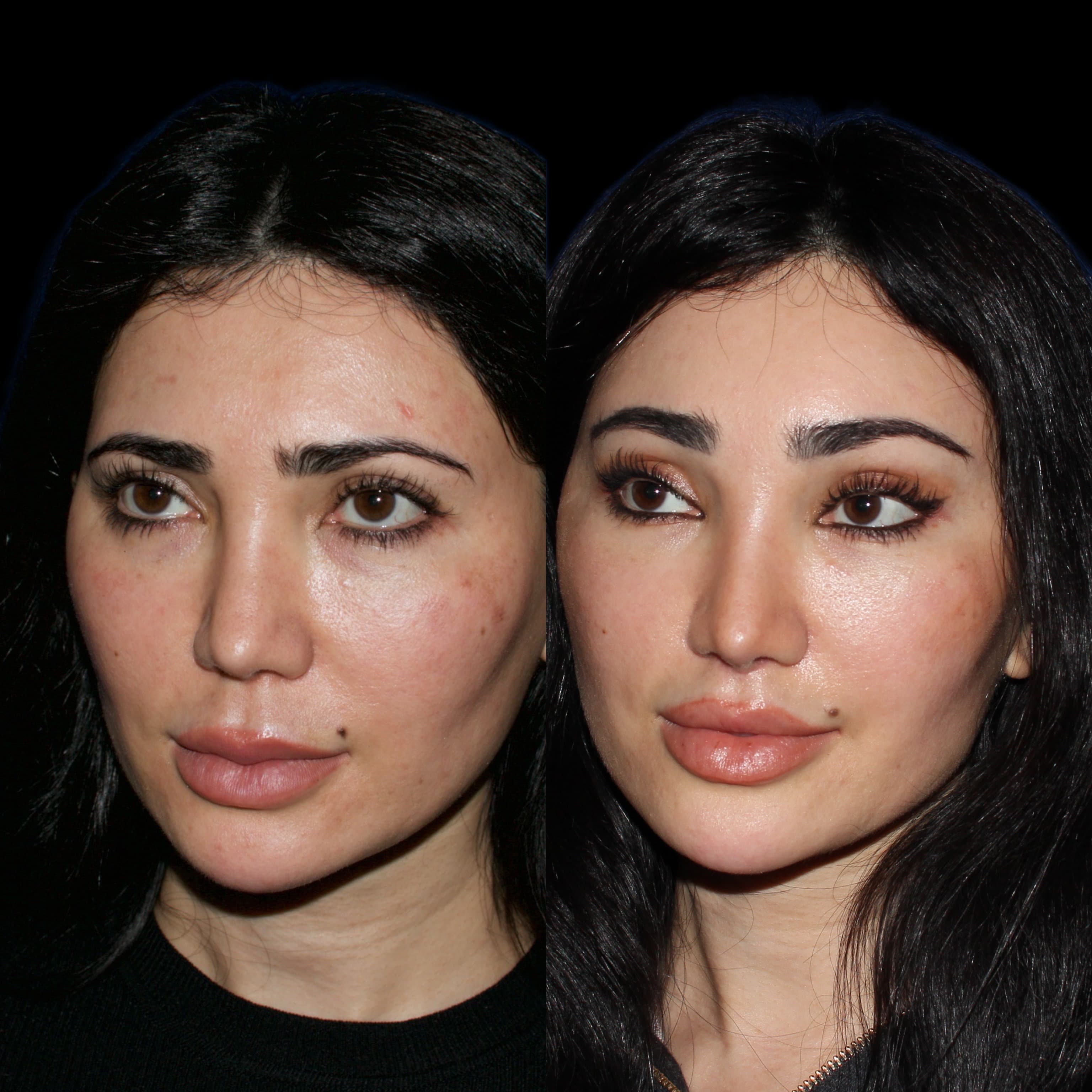
Endoscopic Brow Lift – A Modern Technique, Natural-Looking Results
Discover this minimally invasive procedure that can open up your vision, lift drooping brows and provide a youthful, rested look – with no visible scar.
What is Brow Lift Endoscopy?
An endoscopic brow lift is a new, minimally invasive surgical technique that involves using an endoscope, or tiny camera, to lift and reposition the eyebrows and forehead through small incisions hidden in the hairline. This technique does not involve a long continuous incision (like traditional methods) but rather a few discrete access points.
This is the perfect procedure for those who feel their brows have dropped with age, giving a tired or worried expression, or for those who would like to regain the balance and harmony of the upper face.
Key Benefits
Fresh, open appearance: Raises the lowered eyebrows and opens the eye frame once again
Invisible Signs: Small hidden incisions in the hairline
Fast healing: Return to play in 7–10 days
Long-Lasting Results: Effects many years
What is the Procedure Doing?
Consultation and planning – The surgeon examines the facial structure, discusses expectations and sets personalised aesthetic goals.
Anaesthesia – The procedure is performed under general anaesthesia or deep sedation to ensure the patient’s complete comfort.
Minimal incisions – The surgeon makes 3 to 5 small incisions, about 1 centimetre each, behind the hairline in the scalp.
Endoscopic visualisation – The endoscope and surgical instruments are passed through these small incisions to lift and reposition the tissues underneath.
Fixation and Closure – The brows are held in their new position with sutures or specialised anchor devices, and the incisions are closed.
Who’s This For?
The ideal patient is generally between 40 and 65 years of age and complains of brow descent, horizontal forehead lines, or a frowning appearance from migration of tissue rather than habitual muscle use. Good general health and realistic expectations are a prerequisite.
Recovery and After Operation Care
Mild to moderate bruising and swelling are expected for the first few days after surgery and usually resolve within 10 to 14 days. Most patients are able to return to light daily activities in 7–10 days and strenuous physical activity in 4–6 weeks. Final results are observed at 3–6 months when residual oedema has completely settled.
Consultation Pack
Any question is welcome and we are ready to answer them.
+40 738 643 532 (WhatsApp)
Want a tailored opinion? Schedule a discreet consultation with Dr. Mubariz Mammadli.
Related reading
Aesthetic medicine blog

Education
The Medical Reason Behind Michael Jackson’s Change in Skin Colour
Michael Jackson’s skin color change was mainly connected to vitiligo, a medical condition that causes loss of skin pigment. His transformation should be understood through medicine, camouflage makeup, possible depigmentation treatment, and media pressure — not only through rumors.
Education
How to Select a Good Plastic Surgeon
Choosing a good plastic surgeon means choosing safety, experience, trust, and natural results. A qualified surgeon explains realistic expectations, risks, recovery, and creates a personalized plan based on the patient’s anatomy, not trends or exaggerated beauty standards.
Education
Surgery vs. Minimally Invasive: Which Is Better?
Minimally invasive treatments are ideal for prevention, small corrections, and fast recovery, while surgery is recommended for deeper tissue descent, excess skin, and long-lasting structural results. The best aesthetic outcome comes from choosing the right method at the right time.